
While searching for any betting or casino-type platform on mobile, APK, app, login page and mobile site—everything can look the same. This is where the risk of making a wrong decision arises. It is not safe to assume that a download button or login form is a reliable source just because you see it.
cv666 APK If verifiable official information is not clear, the most important task for the user is to stop before downloading. You need to first understand whether you are actually looking for an Android app or trying to access a site from a mobile browser. After that, it is necessary to separately verify the URL, permissions, login form, redirects, and payment-related information.
How to initially understand cv666 app, APK, or mobile site
APK is the file for installing an Android app. But just because APK is mentioned in a search result does not mean it is the real app or a safe download. There can be multiple third-party pages, clone download pages, or login redirects with the same name.
To understand what type of page you are seeing on mobile, the following points can be helpful:
| What you are seeing | Possible meanings | Safe decisions |
|---|---|---|
| The login page is opening directly in the browser | This could be a mobile site | Check the URL, HTTPS, and domain |
| “Download App” is present, but there is no publisher information | It could be a third-party APK page | Verify the source before downloading |
| It is redirecting to another domain to get the APK | Could be a redirect or clone page | Hold off on login or download |
| It is asking for OTP, payment, or personal information before login | There may be phishing risks | Do not provide information |
If you cannot verify the official source, instead of installing the APK, check if there is app-related information on the official website, help center, account notice, or verified communication channel. If there are no official instructions, it is better to avoid third-party APKs.
Verify the mobile login page: fake page and phishing signals
cv666 login Or when searching for mobile access, the biggest risk is often not the APK, but rather a fake login page. Phishing pages can look like the real site, but they may be designed to collect user ID, password, OTP, mobile number, or payment information.
Before logging in, carefully check a few things:
- Check if there are strange spellings, extra numbers, or unusual subdomains in the URL.
- Do not provide any login or payment information if HTTPS is not present.
- Check if login, bonus, deposit, and APK download are all pushed together on the same page.
- Check if branding, language, logo, or layout are inconsistent.
- Check if it asks for OTP, wallet, card, or banking information before logging in.
- Check if clicking the login button redirects repeatedly to another domain.
Just because there is a padlock icon does not mean the page is secure. HTTPS only encrypts the connection; the authenticity of the page needs to be verified separately.
cv666 APK permission: Is there any permission that signals a risk?
It is very important to check permissions before installing an APK. Especially if a betting or casino-related app requests data access that seems unnecessary for its function, it is a cause for caution.
| Permission | Why to be cautious | What to do |
|---|---|---|
| Contacts | Risk of collecting personal contact lists. | Do not grant permissions if the necessity is not clear. |
| SMS | Risk of reading OTP or verification codes. | Be especially cautious if there is a login or payment OTP. |
| Storage/File access. | There may be access to files, photos, or documents. | Consider the risk if there is no limited access. |
| Location | There may be unnecessary tracking. | Do not grant permissions without a clear reason. |
| Notification/overlay. | It may show spam, fake alerts, or misleading prompts. | If you see unusual behavior, stop using the app. |
Permissions related to OTP, payment accounts, mobile wallets, or banking information are the most sensitive. If an app asks for SMS, Contacts, or broad storage access immediately after installation without clarifying why it is needed, it is safer not to log in.
Stop if you see any red flags on the APK download page
Many fake APK pages pressure users to install quickly. Such pages have less information but more download buttons. Sometimes they claim to be the “latest version,” “official app,” or “100% safe,” but there is no verifiable proof for such claims.
Be cautious if you see one or more of the following signals:
- There is no identification of the developer or publisher.
- Privacy notice, terms, or support information is unclear.
- APK version, update note, or file source cannot be verified.
- Clicking the download button opens multiple ads or redirects.
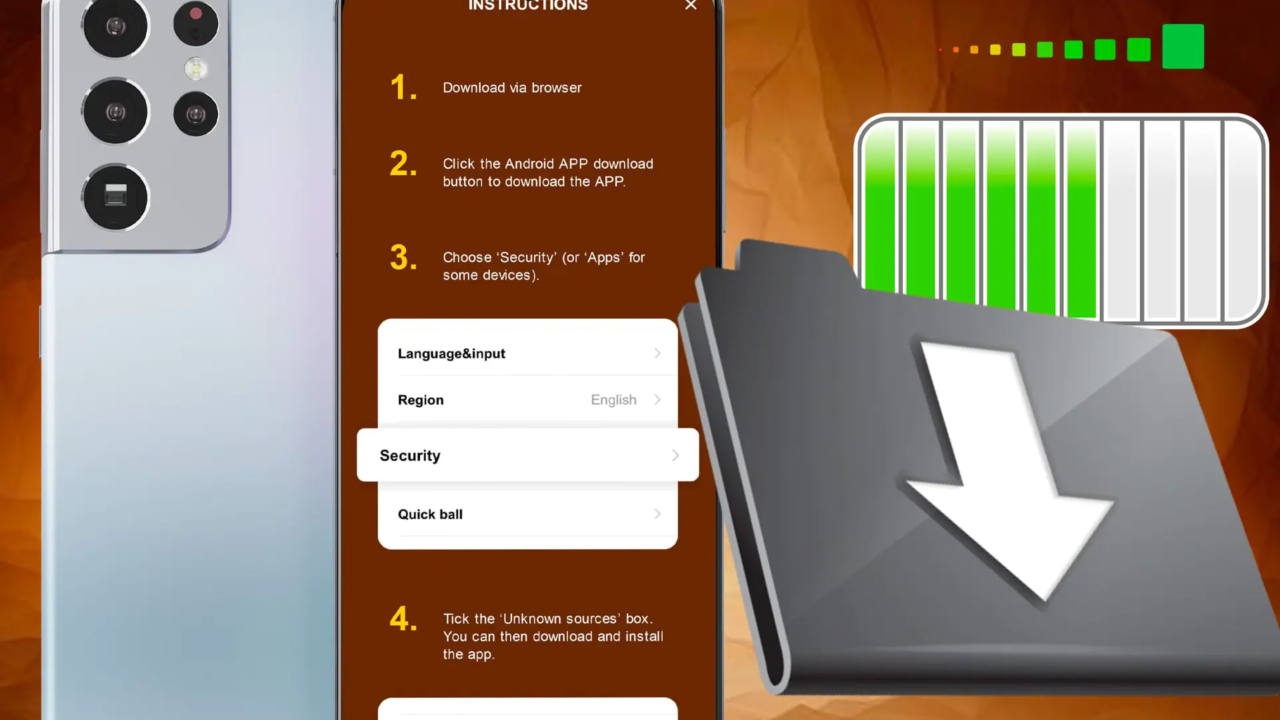
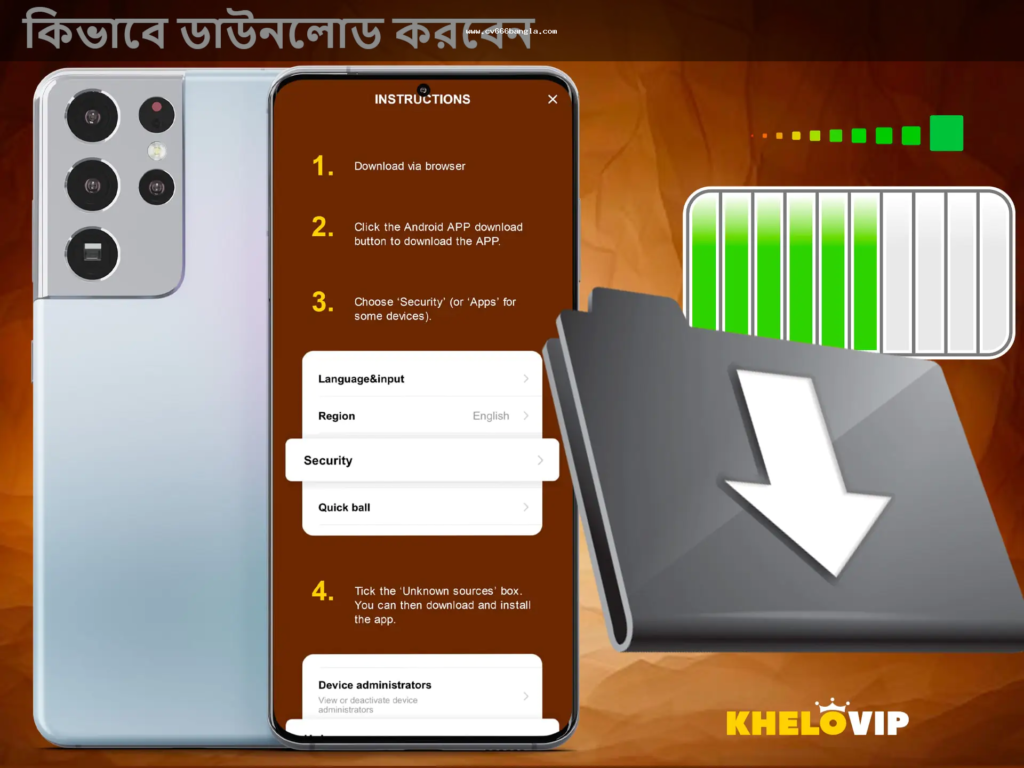
- It is urging you to enable unknown-source settings to install.
- It is asking you to ignore security warnings.
- It is asking you to log in or deposit before opening the app.
Enabling unknown-source installation can be risky, especially without source verification. It is not right to sideload APKs just based on search results without specific official guidance.
“What to think if you see ”App not installed."
Just because an APK does not install does not always mean it is a scam. The file may be corrupt, the Android version may not match, device storage may be low, or security settings may block installation. However, if warnings appear repeatedly, it should not be forcibly bypassed.
The areas of caution are:
- You are being asked to download the same file repeatedly.
- It is instructing you to disable security warnings.
- It is asking you to use another mirror link or an unfamiliar domain.
- After install failure, it shows a login or payment link.
- A browser login page opens even though the app does not install.
If the device shows a security warning, do not see it as a barrier—consider it a signal. It is better not to install if there is no verified source.

Extra caution when seeing login, deposit, or bonus pages.
On betting or casino-type platforms, mobile access may quickly show deposit, bonus, or account verification pages afterward. These are not always harmful, but in the case of fake pages, they may be a tactic to force users to provide information quickly.
Pay special attention:
- Is it pressuring you to the deposit page as soon as you log in?
- Even if there is a bonus offer, are the terms clear?
- Is the account security setting visible before making a payment?
- Is it sending you to different domains repeatedly in the same session?
- Is it asking for OTP or wallet PIN?
If any page asks you to do everything together—login, bonus, payment, and APK install—think again if that is a normal user flow. Ensure the source before hurriedly providing password, OTP, or payment information.
The safest decision is if there is no verifiable source.
If clear information about the app or APK cannot be found from a reliable official source, then cv666 APK do not install. First, check if there are instructions related to the mobile app on the official website, help center, account notice, or verifiable brand channel.
Avoid three actions while unverified:
- Downloading or installing third-party APKs.
- Providing user ID, password, or OTP on an unfamiliar login page.
- Sharing payment, wallet, card, or banking information.
Just because an APK is available does not mean it is usable. If the mobile site, app, login page, and redirects are not verified separately, account data, phone number, OTP, and payment information may be at risk. If in doubt, not installing, not logging in, and not providing information is the safest decision.
It is not safe to call this an official app without verifiable official information. Please check the app-related information on the official brand channel first.
Third-party APKs should not be downloaded or installed without verifying the source, especially if login and payment information is involved.
See the types of requests for URL, HTTPS, spelling, redirect, branding, and OTP/payment information. Do not log in if you have any doubts.
SMS, Contacts, storage, location and OTP or payment-data access-related permissions can be risky. Do not grant permissions if the necessity is not clear.