
Stop if the full domain does not match before entering the password, avoid the ad link in the search result, and close the session if you see an unusual recovery prompt. cv666 অ্যাকাউন্ট The biggest risk while searching is often not failing to log in, but entering credentials on the wrong page.
If you do not have a clear and verified source, check the URL, page behavior, browser warning, and the type of OTP request before using any login form sent via new links, pop-ups, mirror pages, or messages. It is more important not to provide information in the wrong place than to enter quickly.
cv666 অ্যাকাউন্ট How to verify the domain before logging in.
- Open from the previous bookmark or browser history if available.
- If you enter from the ad link in the search result, check the address bar separately.
- Verify if there is a full domain, extension, and any extra hyphen or word.
- Stop if you are redirected repeatedly with one click.
- Do not proceed if you see a browser certificate warning or “Not secure.”
| What you will match. | What to do | When to stop. |
|---|---|---|
| The full URL in the address bar. | Read it all. | If the name is similar but the full URL does not match. |
| Bookmark/history. | Compare with the previous visit. | If it is a domain you have never seen before. |
| Redirect behavior. | Go back and open it again. | If you are repeatedly going to new domains. |
| Browser warning | Close the session. | If asked to bypass the warning |
Quick checklist to identify fake login pages
Some pages only show a login box, but the rest of the site remains unclear. Sometimes broken Bangla/English, incomplete menus, random banners, pop-ups, or new tabs opening can be seen. In these situations, it is not safe to test with a password.
If you see any of the following signals, exit without logging in:
- The page asks for username, password, OTP, or PIN all at once upon opening
- Clicking the login button opens a new tab, pop-up, or another domain
- The design or logo changes just by refreshing the page
- There is only a form, but no general navigation or context
- Spelling, language, or layout is very messy
- Assuming the page is real because browser autofill is working
If you want to differentiate between mobile site, APK prompt, and fake login form, you can refer to this guide: How to verify the mobile site, APK, and login in the search for Bangladesh casino app।

What to match before starting recovery if you forget your password
Repeated attempts when the password doesn't work can often lead to account lock or panic-created errors. Match these few things before starting recovery:
- If possible, use the same old device and browser
- Check if there are saved credentials in the browser password manager
- Remember whether you used a username, email, or phone when opening the account
- Do not start a reset if the domain does not match after several wrong attempts
- Check the URL again before going to the password reset page
What you should not do:
- Do not open recovery links found in social media comments or random messages
- Do not send password, OTP, or reset code via screenshot
- “Do not agree to ”manual unlock“, ”VIP recovery" or reset proposals in exchange for a fee.
Stop if you see any warning signals in the recovery prompt.
If the recovery flow is not clear, focus on minimizing damage first. There are some common warning signs of scams under the guise of recovery:
| Warning signal | Why it is risky | Your actions. |
|---|---|---|
| It is asking you to log in to a new domain. | It could be a clone page or a redirect. | Close the session and verify the URL again. |
| It is asking for full password, OTP, and PIN together. | There may be attempts to collect additional credentials. | Exit without providing anything. |
| It says it will unlock if you deposit or pay a fee. | It is mixing recovery with something else. | Do not proceed further. |
| Different instructions are coming from different places. | It could be a sign of fake communication. | Do not submit anything in the same session. |
| It is asking for screen sharing or to install an unknown app. | The device and saved passwords may be at risk. | Reject the request. |
What to do now if you entered username, password, or OTP on the wrong page.
If you think you have entered information in the wrong form, prioritize credential safety over account access first. Quickly follow these steps:
- Change any password that you have reused elsewhere immediately.
- Secure your email account first, as many reset links go there.
- Review saved passwords in your browser—delete or update them if saved on the wrong domain.
- Check for suspicious login alerts, reset emails, device notifications whether they exist or not.
- Change any accounts where you have used the same username or password.
- Run a malware scan on your device, especially if you have seen pop-ups, unknown files, or app prompts.
- Keep an extra eye on the next few hours if you have used an OTP or PIN, as follow-up phishing messages may come.
There is no need to try logging in again quickly here. Understand what information has been leaked first to limit the damage.
The right time to stop before trying to log in again
In some situations, trying again does not help, but rather increases the risk. Stop if any of the following occurs:
- You entered from an ad link in the search results, but it does not match your bookmark/history
- The full URL looks similar, but is not exactly the same
- Even if resetting from the same browser or device, the domain is changing
- The login page is asking for the password along with an OTP or PIN
- Refreshing changes the layout, language, or redirect.
- A browser warning has appeared, yet it asks to proceed.
- A new link is sent in the message only after a login failure.
In such a situation, instead of thinking “let's see again,” close the session, note the browser history, and change any reused password beforehand.

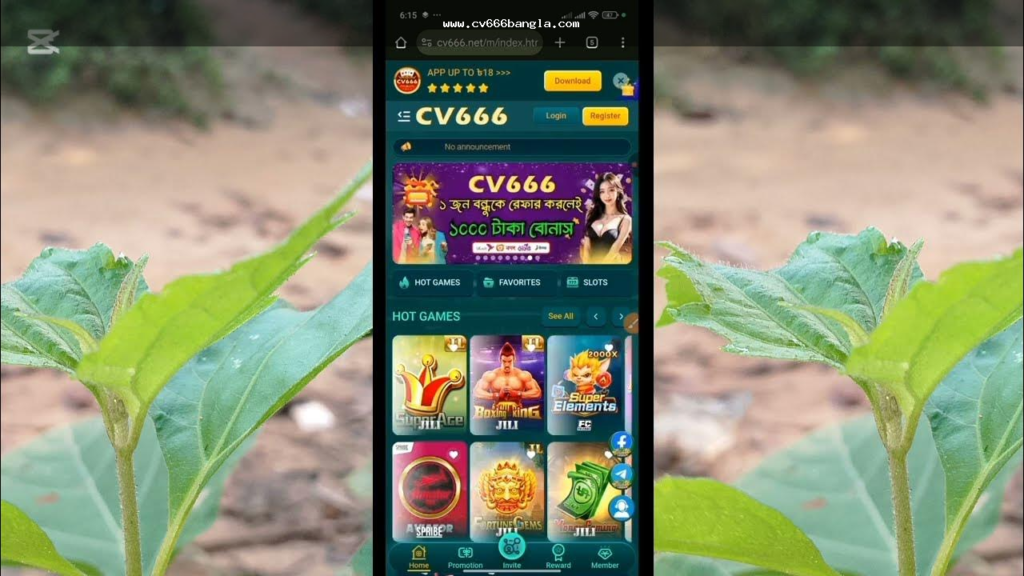
On mobile cv666 অ্যাকাউন্ট Where is the extra risk when trying to access?
Recognizing the wrong page on mobile can be more difficult, as the address bar appears smaller and often the in-app browser does not show the full URL. Therefore, extra caution is needed during mobile access.
- A wrong tap on an ad result can open another page.
- The full URL may be hidden in the in-app browser.
- An APK download prompt may ask for credentials or permissions.
- Lookalike domains can easily go unnoticed on a small screen.
- It can auto-redirect and open another login form.
- It is not correct to assume that if autofill works, the page is genuine.
This guide can also be useful before verifying on mobile: What you will see before verifying mobile access in the Bangladesh betting app search.।
cv666 অ্যাকাউন্টThere may be a rush to enter, but if the domain does not match completely, the recovery flow seems unusual, or the page behavior changes, it is better to pause. Logging in a bit late is much safer than entering a password on the wrong page.